

Essential PPE Guidance for Marine and Commercial Worksite Safety
A practical guide to choosing protective apparel and footwear matched to marine and commercial worksite hazards, from slip-resistant boots to chemical-rated coveralls.
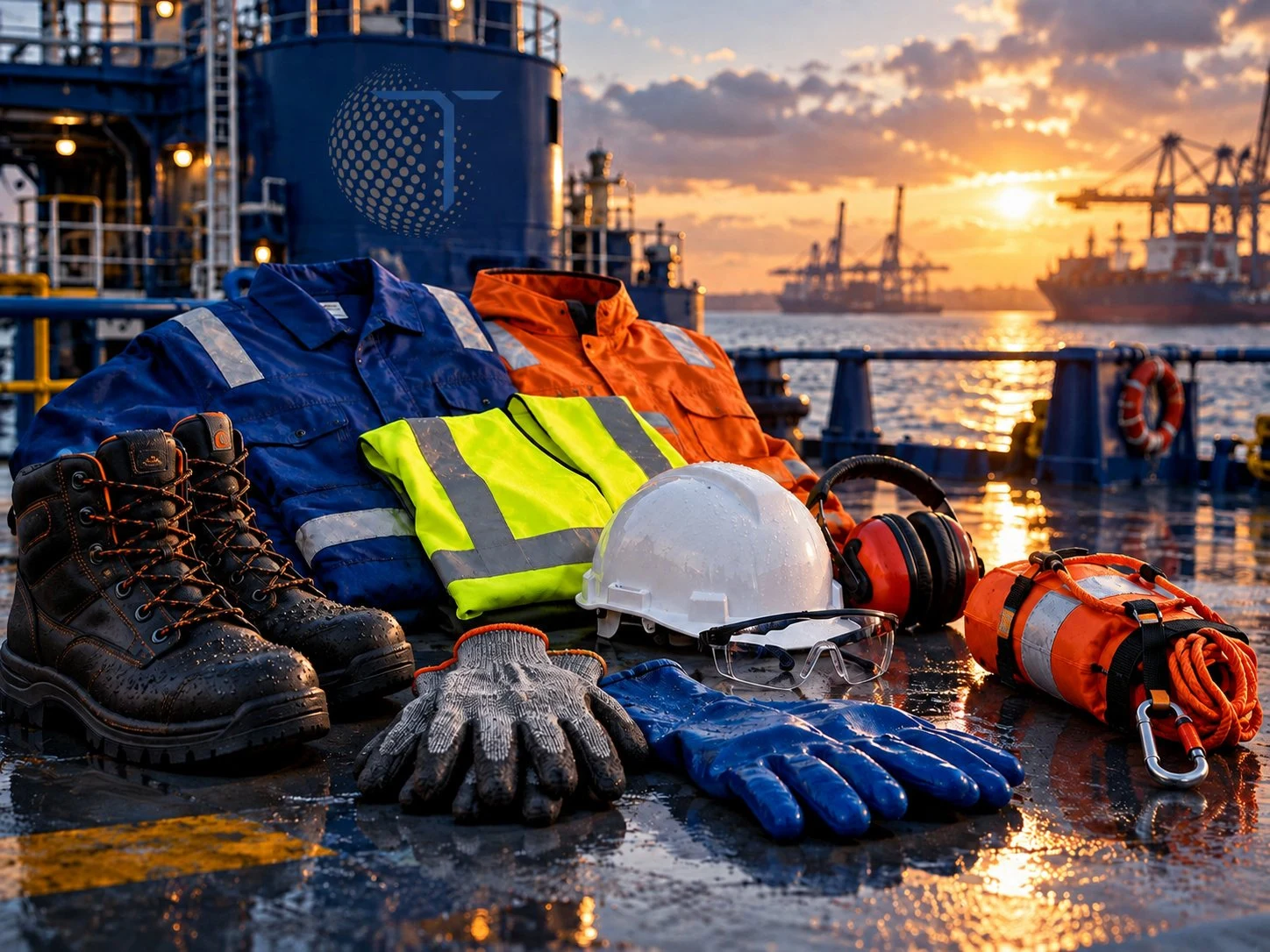
Caption: Choosing the right personal protective equipment is the first line of defense against marine and industrial hazards.
Marine and commercial worksites present a unique combination of hazards — slippery decks, exposure to chemicals and fuels, extreme weather, heavy machinery, and the ever-present risk of falls overboard. Selecting the right personal protective equipment (PPE) isn't just a compliance checkbox; it's a critical decision that directly affects worker safety, comfort, and long-term health. This guide breaks down how to evaluate and choose protective apparel and footwear that actually match the hazards you face on deck, in the engine room, or across a commercial job site.
Understanding the Hazard Profile Before You Buy
Before selecting any piece of protective apparel, it's essential to identify the specific hazards present at your worksite. Marine and commercial environments rarely present a single risk — they usually combine several at once. Consider the following categories when assessing your needs:
- Slip and fall hazards: Wet, oily, or icy decks require footwear with specialized slip-resistant outsoles.
- Chemical and fuel exposure: Fuel handling, tank cleaning, and cargo operations demand chemical-resistant coveralls and gloves.
- Thermal and weather extremes: Offshore and open-deck work exposes crew to cold, wind, rain, and occasionally high heat near machinery.
- Impact and crush hazards: Cargo handling, winches, and heavy equipment increase the risk of foot and hand injuries.
- Electrical and arc-flash risk: Engine rooms and electrical panels require insulated, flame-resistant garments.
- Man-overboard and drowning risk: Open-deck and offshore roles often require buoyancy-aid apparel in addition to standard PPE.
Mapping these hazards against your daily tasks helps narrow down the categories of protective apparel and footwear you actually need, rather than over-equipping (which adds cost and reduces comfort) or under-equipping (which increases risk).
Choosing Protective Apparel That Matches the Job
Coveralls and Outerwear
For marine and commercial applications, protective coveralls should be selected based on the specific exposure type:
- Flame-resistant (FR) coveralls are essential in engine rooms, near fuel systems, or wherever hot work and welding occur.
- Waterproof and breathable foul-weather gear is critical for open-deck operations in rain, sea spray, or cold climates.
- Chemical-splash suits should be used during tank cleaning, cargo handling of hazardous liquids, or maintenance involving solvents and lubricants.
- High-visibility apparel with reflective striping is recommended anywhere vehicles, cranes, or heavy machinery share space with personnel.
Gloves and Hand Protection
Hands are among the most frequently injured body parts in marine and industrial settings. Match your glove choice to the task:
- Cut-resistant gloves for rigging, wire rope handling, and metal fabrication.
- Chemical-resistant gloves for fuel transfer, painting, and cleaning operations.
- Insulated gloves for cold-storage or winter deck work.
- Impact-resistant gloves for cargo handling and heavy tool use.
Head, Eye, and Hearing Protection
Don't overlook the smaller items that carry outsized safety value:
- Hard hats rated for marine environments resist corrosion and UV degradation better than standard models.
- Safety glasses or face shields protect against splashing chemicals, grinding debris, and salt spray.
- Hearing protection is essential in engine rooms and near compressors, generators, and other high-noise equipment.
Caption: Task-specific hand, head, and eye protection reduce the most common injury types on deck and in the engine room.
Selecting the Right Safety Footwear
Footwear is one of the most important — and most frequently underestimated — pieces of marine PPE. The right boots or shoes should be chosen based on deck conditions, chemical exposure, and impact risk.
Key Features to Look For
- Slip-resistant outsoles: Look for soles specifically tested and rated for wet, oily, and metal deck surfaces rather than generic "non-slip" labeling.
- Steel or composite toe caps: Composite toe caps are lighter and non-conductive, making them a strong choice around electrical equipment, while steel offers maximum impact resistance for heavy cargo work.
- Waterproof and chemical-resistant construction: Essential for deck crews, tank inspectors, and anyone regularly exposed to fuel, oil, or seawater.
- Puncture-resistant midsoles: Important in shipyards, construction sites, and anywhere sharp debris or exposed fasteners are common.
- Ankle support: Uneven decks, ladders, and gangways increase the risk of ankle injuries, making supportive boot design a practical necessity rather than a luxury.
When possible, choose footwear that has been tested to recognized marine or industrial safety standards, and replace boots as soon as tread wear or sole cracking becomes visible — worn footwear is a leading contributor to slip-and-fall incidents.
Caption: Slip-resistant, chemical-rated footwear is a first-line defense against the most common deck injuries.
Practical Tips for Long-Term PPE Management
Choosing the right gear is only half the equation — maintaining and managing it properly ensures it continues to perform when it matters most:
- Inspect regularly: Check apparel and footwear for wear, tears, or degraded seals before every shift where possible.
- Match PPE to the task, not just the role: A crew member's job may involve multiple hazard types across a single shift — plan accordingly.
- Replace on schedule: Follow manufacturer guidance on service life, especially for flame-resistant and chemical-rated apparel, which degrade with repeated exposure and laundering.
- Ensure proper fit: Ill-fitting gloves, boots, or coveralls reduce dexterity and can create new hazards rather than preventing them.
- Train crews on correct use: Even the best-rated PPE fails to protect if it's worn incorrectly or inconsistently.
Final Thoughts
Marine and commercial worksites demand PPE that's purpose-built for the hazards at hand — generic "one size fits all" gear rarely holds up against oily decks, chemical exposure, or heavy cargo handling. By assessing your specific hazard profile, choosing apparel and footwear rated for those exact conditions, and maintaining equipment on a consistent schedule, crews and site managers can significantly reduce injury risk while keeping operations running smoothly and compliantly.